…rather uneventful day today, except that I had some good fortune at dialysis without even having to ask for it.
Well, I thought that it was good fortune, which it was at the time, but I changed my mind somewhat a little later.
Anyway, retournons à nos moutons, as they say around here. Last night, it was about 00:30 when I finally settled down under the bedclothes, and I know that I must have been asleep quite quickly because when I was dictating something in my sleep, I could tell that I was still sucking on the bedtime menthol and eucalyptus sweet.
And by the looks of things, we were back to how things were a week or two ago — waking up at some uncomfortably early hour and not being able to go back to sleep again. For the last week or so, I’ve been having a much better kind of sleep, but it’s not lasted all that long, has it?
When the alarm went off at 06:29, I dragged myself to the edge of the bed, but it still took a superhuman effort to haul myself upright, go to unlock the front door, and then head into the bathroom to sort myself out. Today, as well as a good scrub-up, there was a shave too, just in case I meet Emilie the Cute Consultant, but I’ve not seen her for ages.
Back in here, I had a listen to the dictaphone to find out where I’d been during the night.
So how long is it since one of my three favourite young ladies has put in an appearance? I thought that they had all dropped off the end of my dreaming sequence just as The Vanilla Queen did a few years ago, but at least we’ve managed to have Zero back.
The nurse turned up again and we continued our discussion about football from yesterday. I told him about the Trefelin – Rhydaman match last night, but he didn’t seem interested. Anyway, THE HIGHLIGHTS ARE NOW ON LINE although they show nothing like all of the tension ane emotion that there was in this game.
After he left, I could make my breakfast and read some more of A HISTORY OF ARCHITECTURE by Charles Freeman.
Well, not so much of it, because he started to talk about Peterborough Cathedral so I went off to do some research. I knew that the abbey had been founded on a false and fraudulent charter that was only ever noted in the “Peterborough” version of the ANGLO-SAXON CHRONICLE and none of the others, so I was interested in what else I could find.
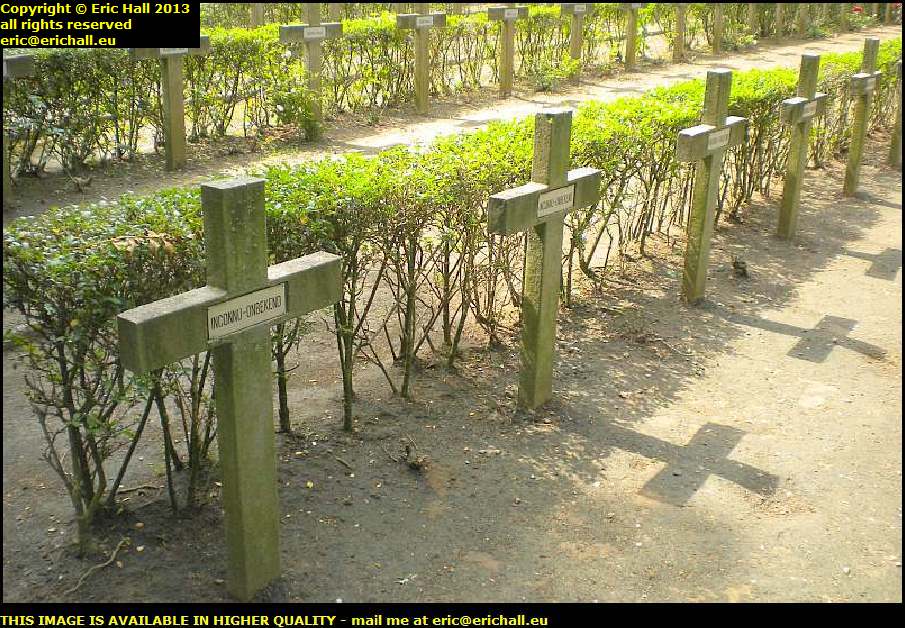
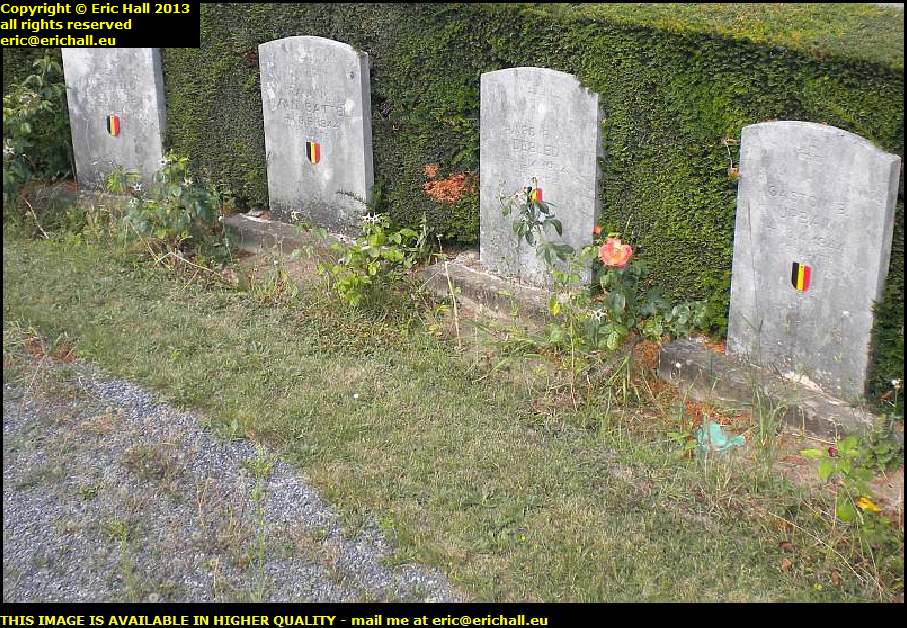
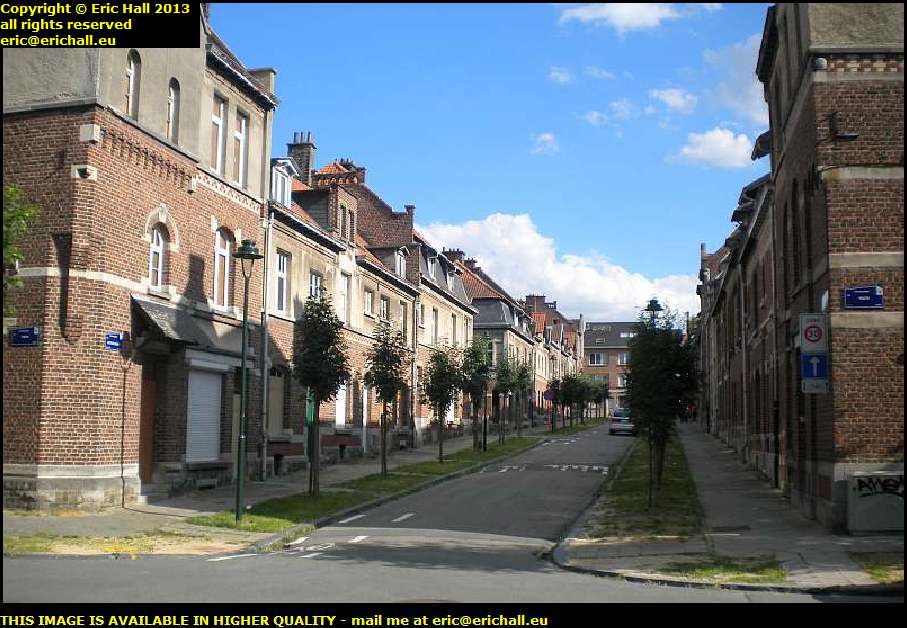
And, of course, as Nansen once famously said, "the more extensive my studies became, the more riddles I perceived – riddle after riddle led to new riddles and this drew me on" and I ended up at Edith Cavell. Regular readers of this rubbish will recall that I used to live just around the corner from where she was executed, and a few years ago, I POSTED SOME PHOTOS ON LINE of the place.
There are also links for AMAZON UK, AMAZON USA and, since the recent “troubles”, AMAZON CANADA for the use of my numerous Canadian visitors. As I have said before … "and on many occasions too" – ed … I am extremely grateful when someone uses them to make a purchase.
Back in my office here in the bedroom, I had a few things to do, and then I began to work a little on the radio programme that I’ll be preparing next week. Not that I managed to go very far because midday came around quicker than I was expecting and I went off to prepare myself for dialysis. But not before having identified several pieces of music that I need to track down.
My cleaner came along as usual to apply the anaesthetic to my arm, and after she left, I waited for my taxi to take me to Avranches. But the waiting was not without incident.
It was in fact a carbon copy of the goal by Euros Griffiths for Rhydaman, which was interesting, but it was definitely Louis Gerrard in his black and red Rhydaman strip who scored it.
Mrs Dinosaur and her exhibition have now departed so I was the only one in the car today. So even though we set off from here ten minutes later than we usually did, we still arrived at dialysis relatively early, and I was up and running by 14:00, having had two nurses around me to plug me in, which was nice.
They set the machine to the correct amount to eliminate the excess fluid, but after a while, they noticed that the extraction limit was stable and not going down (which, I suspect, was due to the coffee and orange juice that I’d just had for my snack, but I was saying nothing), so my nurse simply wound up the extraction by another 300 grams without me actually having to ask for it, and that seemed to work fine, although I was hit by cramps near the end. Not that I’m bothered – 300 grams extra is 300 grams less to extract on Monday.
Once everyone had gone and I’d settled down, I began to watch another football match. Today it was newly promoted Llandudno v Hwlffordd. Llandudno are doing really well this season up in the Premier League, although they have only played one team of any real quality, but Hwlffordd, usually one of the stronger teams in the division, have had a wretched start and have no points and no goals to their name as yet.
The game went as the league table suggested it would, with Llandudno winning 2-0. However, we had the usual VAR excitement, players sent off and brought back on, players sent off and staying off, and some exciting, fluid and skilful play on the wings degenerating into a midfield slog. Still, it was worth watching. And as I have said before … "and on many occasions too" – ed … some of the newly promoted teams are simply in the league for cannon fodder, but that’s not the case with Llandudno.
The doctor was there too today – the new one who prescribed the useless antibiotics ten days ago. She went to chat to a couple of patients but she walked past me, apparently not interested in a follow-up of her diagnosis and treatment. As I have said before … "and on many occasions too" – ed … I often have the impression that, for the terminally ill patients like me, they do the minimum to keep us alive and don’t bother with the rest of any treatment.
You can tell that from the chemotherapy. The chemotherapy last year failed and the professor who is supposed to be dealing with my case hasn’t bothered to contact me since. I’ve had one appointment with the neurologist there after the chemotherapy, back at the start of the year, and there’s been no further contact from him either since then.
By now, it was time to set me free, and I only had to wait for ten minutes before my nurse came to unplug me. And riddled by cramp, I weighed myself to find out that it had all gone according to plan and Monday might be a little easier.
The taxi was waiting for me and I was once more the only passenger, so dodging the occasional showers, I was home fairly quickly.
My cleaner helped me into the apartment and stuck a disgusting drink in my hand once I was sitting at the table. I was still hungry afterwards, so I decided to make myself a meal – a burger on a bap with baked potato and salad. But the salad was off so I had vegetables instead.
The problem was, though, that hungry I might have been, but I was also exhausted. So although I managed the burger, I’d fallen asleep at the table long before I’d finished the baked potato.
In the end, what was left of the baked potato ended up in the bin and I ended up in bed. I’ll write my notes tomorrow
But before I go, seeing as we have been talking about cathedrals … "well, one of us has" – ed … a new priest was appointed as curate to Brussels cathedral, and so he went for a walk around the city to see what his diocese had to offer.
As he was walking past a dark alley near the Gare du Nord, a figure slid out of a dark alley and whispered "twenty-five Euros for a quickie, father"
This happened several times as he walked around the Gare du Nord, so back at the cathedral, he asked the bishop "what’s a quickie, Monseigneur?"
"Twenty-five Euros from the girls at the Gare du Nord, my son."

 .
.